Retinol Season: Why Fall Is the Time to Start
Now that the temperatures are dropping and the UV index is less aggressive, it’s the right moment to revisit your approach to retinol. Whether you’ve used it before or you’re just getting started, the shift into cooler weather is your cue to build this powerhouse into your routine — intentionally.
Retinol is one of the most researched and effective ingredients out there for improving acne, hyperpigmentation, and signs of aging. But it’s not a casual ingredient — using it the wrong way can leave your skin dry, sensitive, or just straight-up irritated. That’s why timing, technique, and product choice all matter.
Why Start After Summer?
Retinol increases sun sensitivity, which is why many people back off during summer. As UV exposure drops in fall, the risk of irritation from sun damage goes down — making this a better time to start using retinoids consistently.
Colder months also mean dehydration, dry indoor heat, and more barrier stress. If you wait until mid-winter to introduce retinol, you’re more likely to experience flaking and sensitivity. Starting now gives your skin 1–3 months to adjust before the most extreme weather hits.
What Is Retinol, Exactly?
Retinol is one form of vitamin A, part of a broader category called retinoids. Others include retinaldehyde, tretinoin, retinyl palmitate, and retinyl propionate.
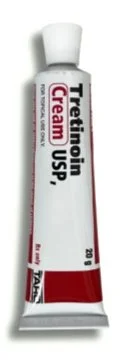
What separates these ingredients is bioavailability — or how easily your skin recognizes and converts them. Prescription-strength tretinoin (aka retinoic acid) doesn’t need any conversion, which makes it fast-acting, but also more intense and more irritating. Gentler options like retinyl propionate go through more conversion steps, which means they take longer to work — but are far easier to tolerate.
What Retinol Does for Your Skin
The core function of retinol is to speed up cell turnover. That affects nearly every visible and structural aspect of your skin — from texture to pigmentation to fine lines.
Key benefits include:
• Smoother, more even texture
• Reduction in fine lines and wrinkles
• Improved acne control and pore function
• Boosted collagen and elastin production
• Reduced melanin activity for fewer dark spots
Is It Right for You?
If you're dealing with acne, pigmentation, or visible signs of aging, retinol should be on your radar. Unless your skin is very sensitive or compromised, there's likely a form and a method that can work for you — as long as you use it intentionally.
How to Start — Without Wrecking Your Skin Barrier
The most common mistake with retinol is doing too much, too fast. People jump in with a high-strength product, skip the prep, and end up with redness, flaking, and frustration. Then they quit before their skin has time to adapt.
Start with a gentler formula and go slow:
• Week 1: once a week
• Week 2: twice a week
• Week 3: three times a week
...and so on.
You can also buffer the application by layering a moisturizer underneath — this adds a layer of protection and helps prevent irritation.
Product Recommendations That Actually Work…
• Start with Vivant Derm-A-Renew – low-strength retinyl propionate, great for beginners.
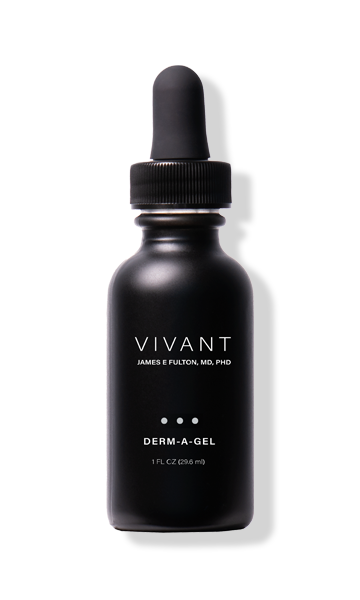
• Move up to Vivant Derm-A-Gel or Exfol-A if your skin tolerates it.
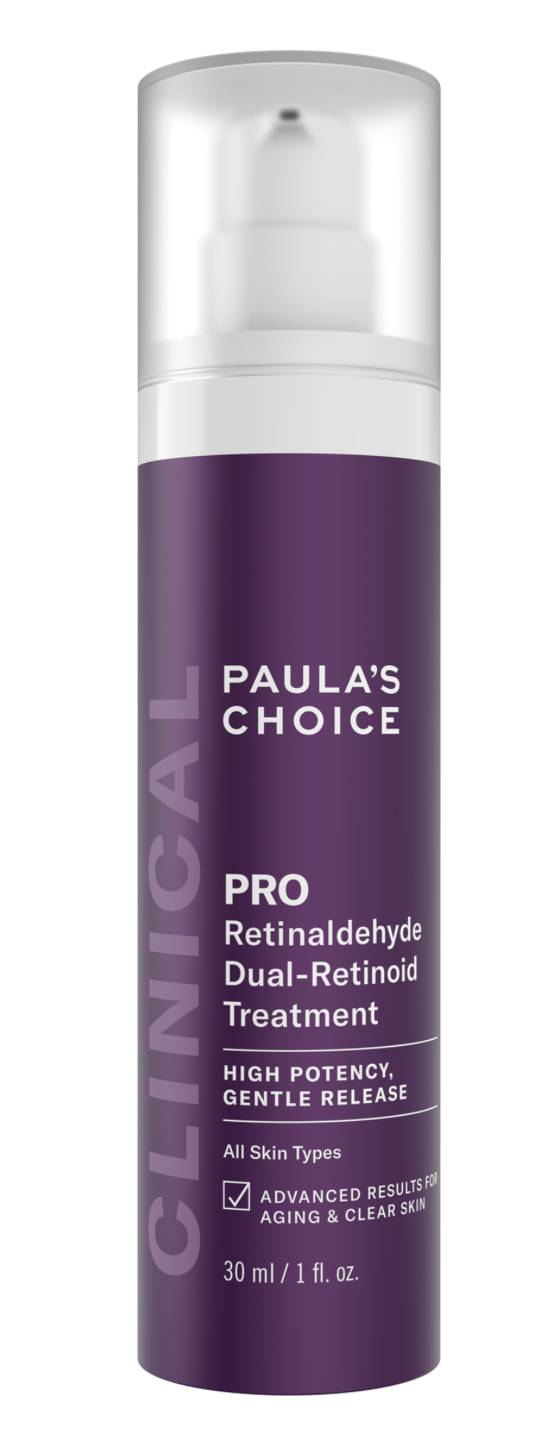
• If needed, look into retinaldehyde products or speak with your derm about tretinoin.
Retinol works — but only when it’s done right. It’s a long game, not a quick fix. With the right product, the right pace, and the right support, you can get real results without wrecking your barrier along the way.
Come into Sacred Skincare this fall to fine tune your custom routine with me — and don’t miss the Pumpkin Enzyme Mask while it’s still in rotation.